Most of the practical changes I’ve made to how I live started with reading a book arguing something I’d half-thought before but hadn’t quite put into words, or a line that made a habit I’d never questioned look obviously worth questioning. By the time I’m done reading something has shifted, and eventually I stop doing a thing I used to do every day.
These are eight books that did that for me. Affiliate links throughout go to Bookshop.org, which supports independent bookshops, and if you buy through them, a small commission comes to me too
Four Thousand Weeks – Oliver Burkeman
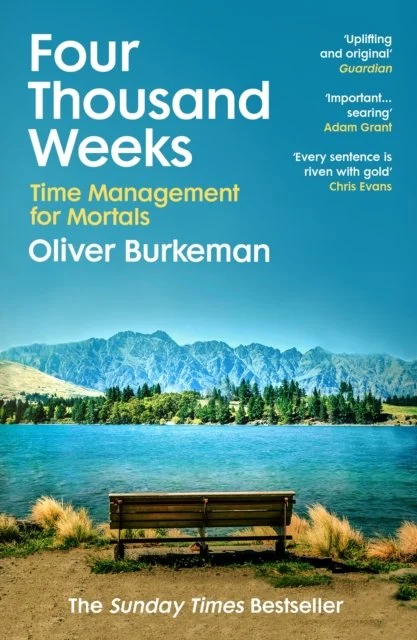
The one I recommend most often, by a margin. Burkeman’s argument is that your inability to get on top of your to-do list is a confrontation with being finite, rather than a time management failure. Forty thousand weeks is roughly all any of us get, and the self-help industry sells the fantasy that the pile is manageable if you just find the right system. The book refuses that fantasy.
How to Do Nothing – Jenny Odell
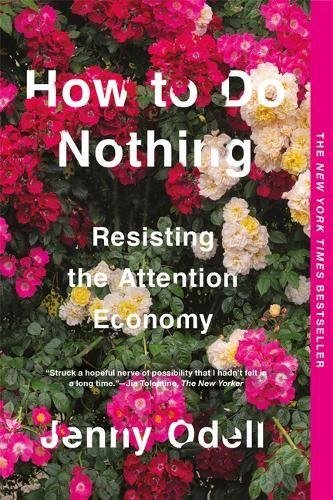
Harder going than Burkeman, more essayistic, and worth every page. Odell’s interest is in attention as a political act, in what it means to resist an economy that wants you to monetise every moment of your time. I’ve gone back to specific chapters more than any other book on this list.
Digital Minimalism – Cal Newport
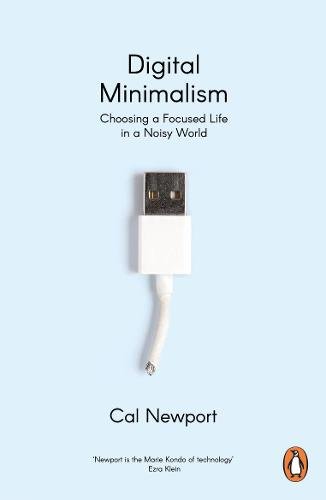
Newport is more prescriptive than the other writers here, more method than philosophy, but the core argument- that a vague sense of unease with your phone almost certainly reflects a structural problem rather than a willpower problem- is the most useful reframe I’ve found for anyone who’s tried and failed to just use it less. Read alongside Odell for the why; use Newport for the what.
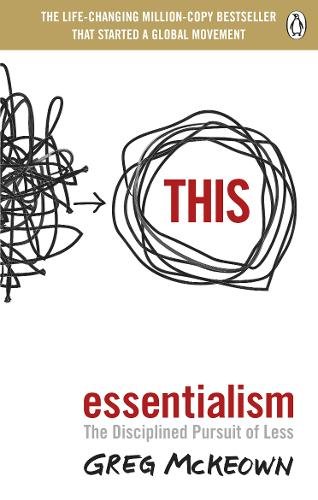
Subtitled the disciplined pursuit of less, which is almost too on-the-nose. What the book actually does is make the cost of saying yes to everything feel concrete and real rather than theoretical. Though I disagreed with some of it, I still think about it regularly.
Savoring – Fred B. Bryant and Joseph Veroff
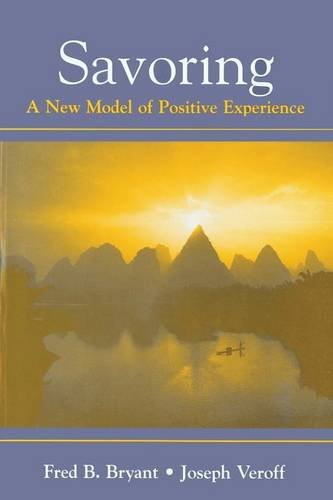
The odd one on the list, more academic than the others, and worth looking past that. The research on ‘savoring’ (the practice of deliberately attending to positive experiences rather than letting them pass unnoticed) is the best argument I’ve read for slowing down that has nothing to do with productivity or wellness.
The Year of Less – Cait Flanders
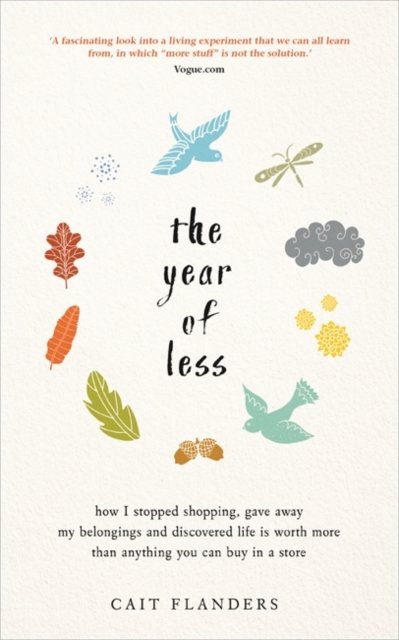
A memoir rather than an argument, about a year of buying nothing new and what that revealed. Sits alongside this list more as a companion than a manual. The parts about what she did with the money and attention she got back are the parts worth reading.
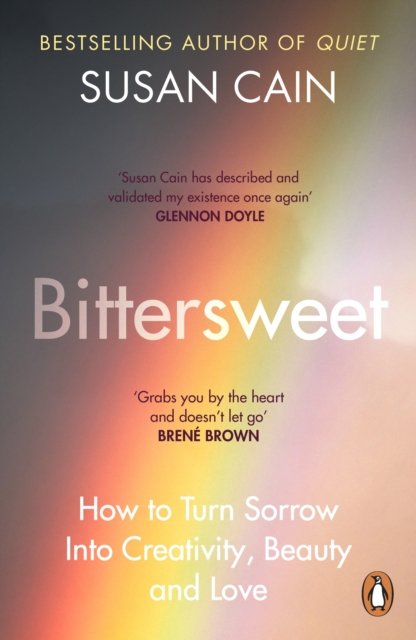
About the relationship between melancholy and creativity, which sounds like a different list entirely. I include it because the book has a useful and honest argument about what it means to want something and always be reaching slightly past it, which turns out to be a lot of what slow living is actually about.
In Praise of Slow – Carl Honoré
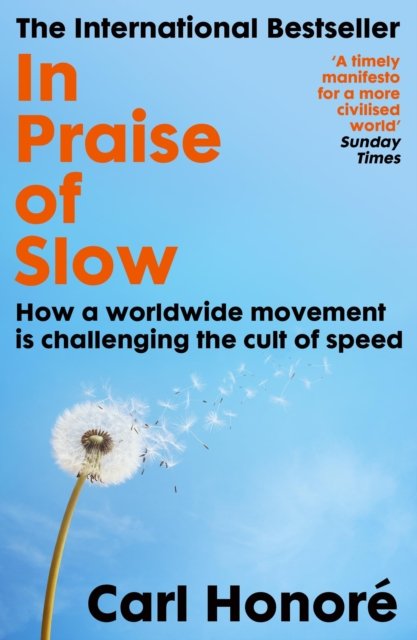
The oldest book here and in some ways the starting point for a lot of the conversation this list is part of. Some of it has aged, and the tone is slightly more evangelical than the other writers here. Read it anyway, because the stories it tells about what speeding up has actually cost are still the best ones.
If you’re deciding where to start: Burkeman first, then Odell, then whatever sounds most like the problem you’re actually trying to solve. You don’t need all eight, and trying to read all of them in a month is its own way of missing the point.